Kevlar vs. Fiberglass vs. Carbon Fiber Boat Hulls
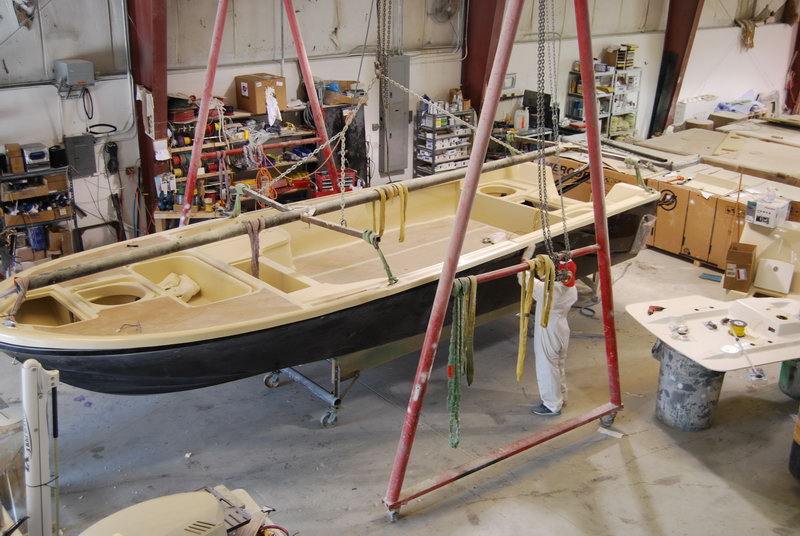
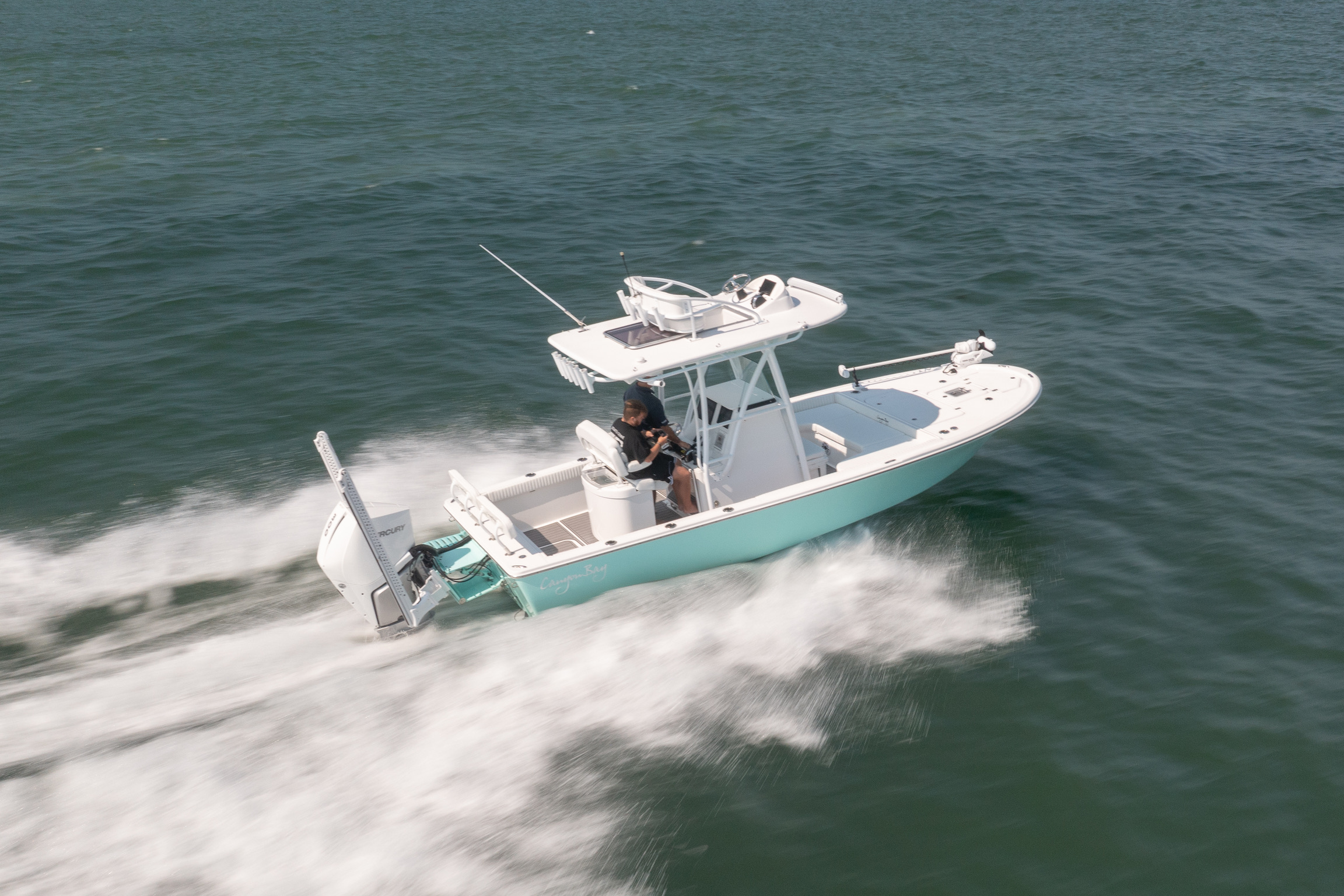
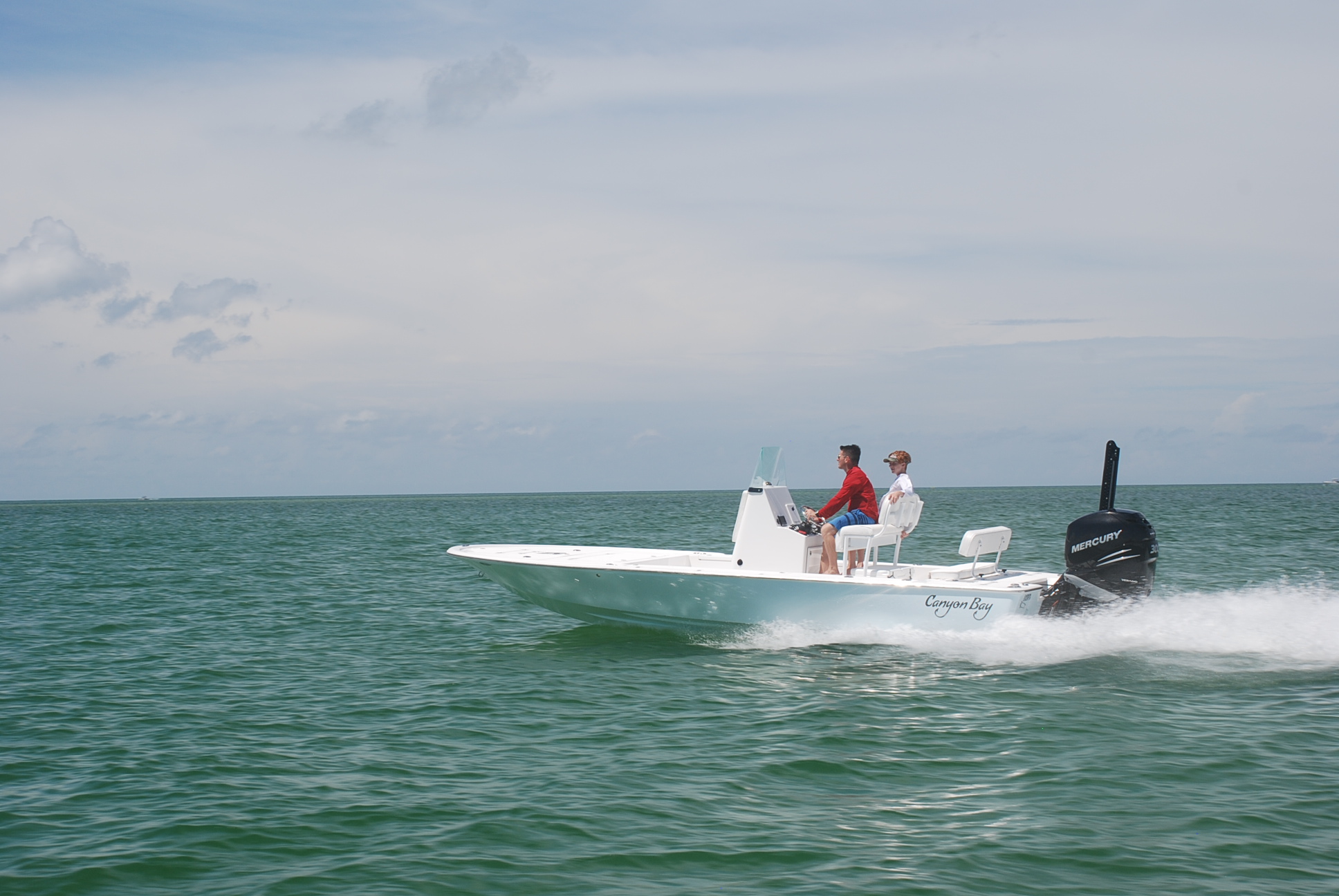
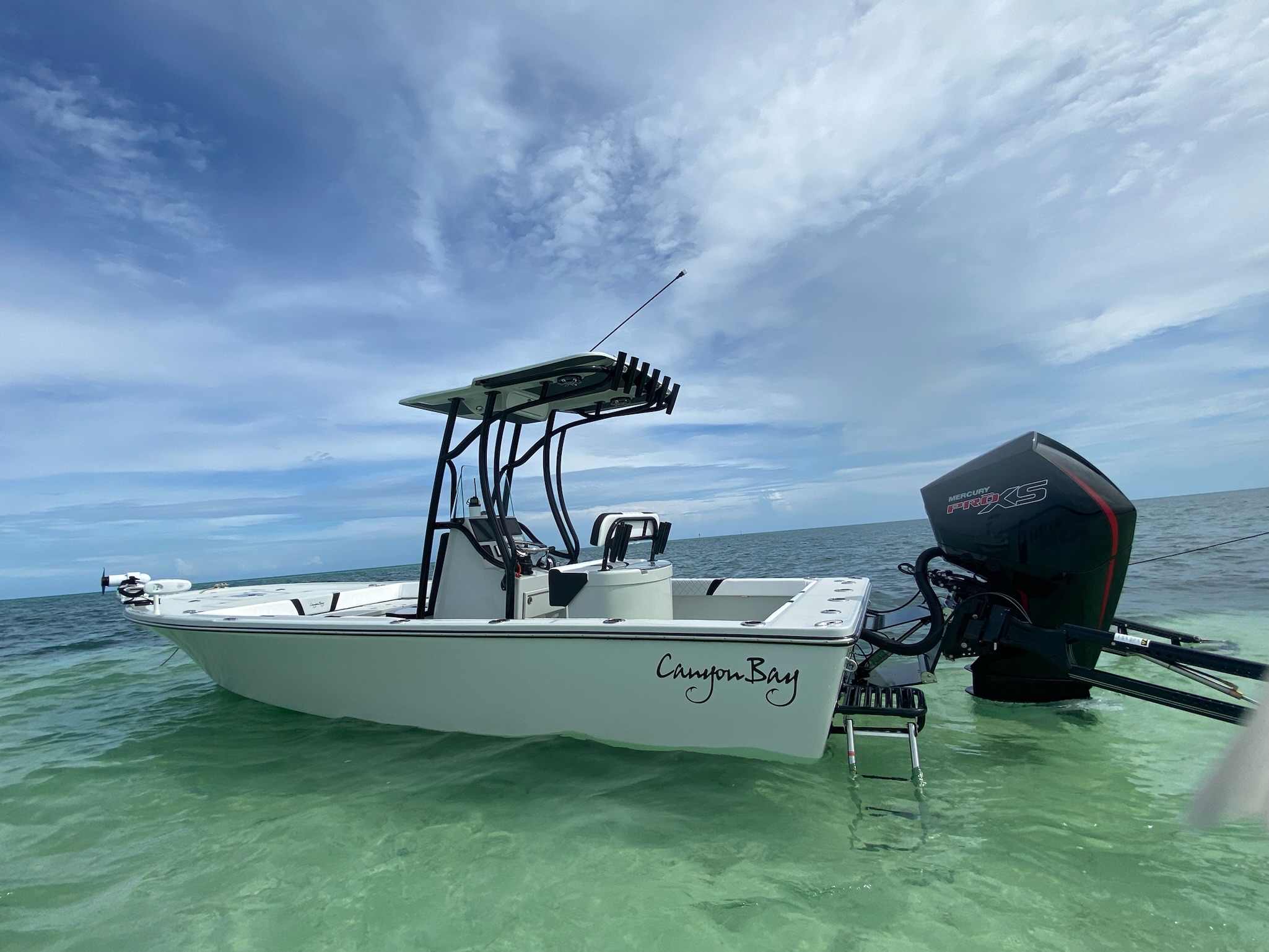
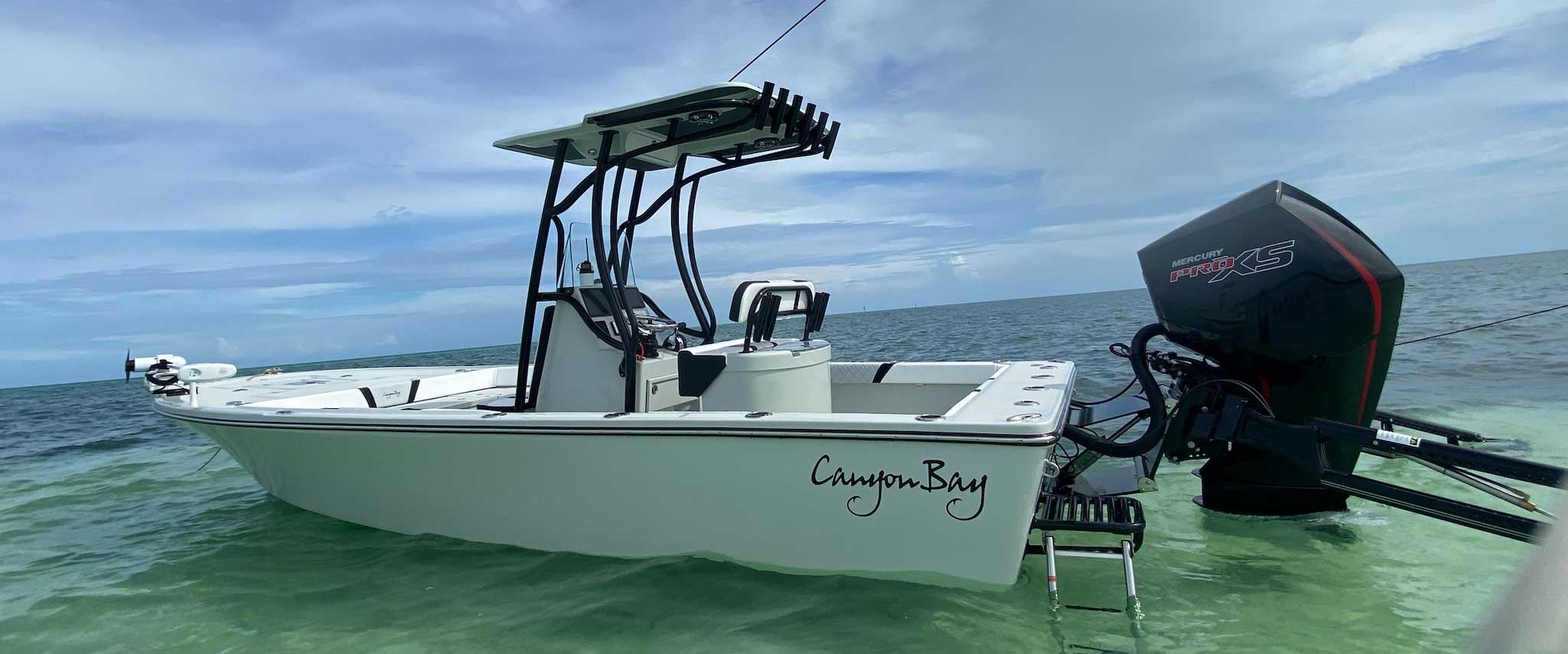
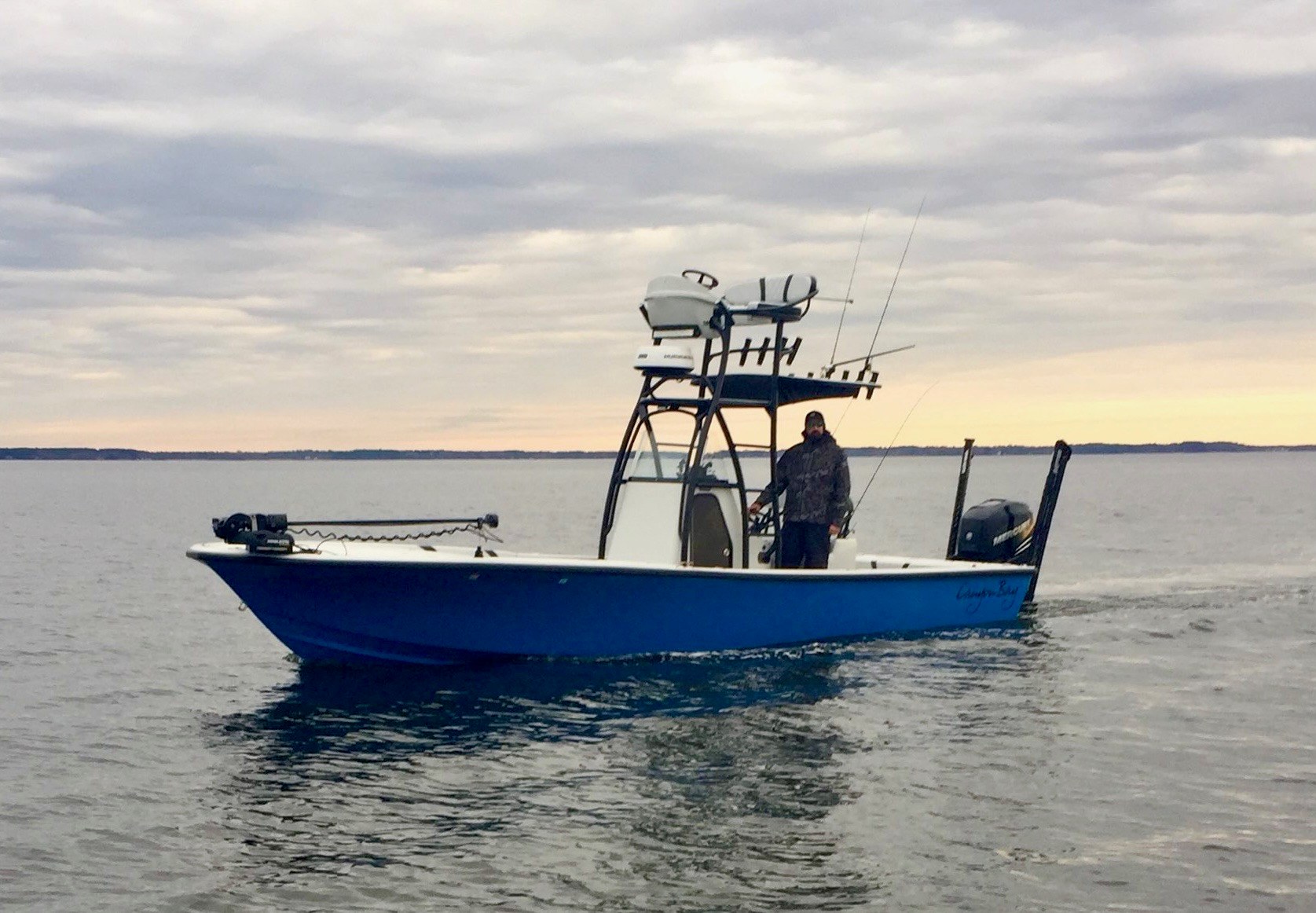
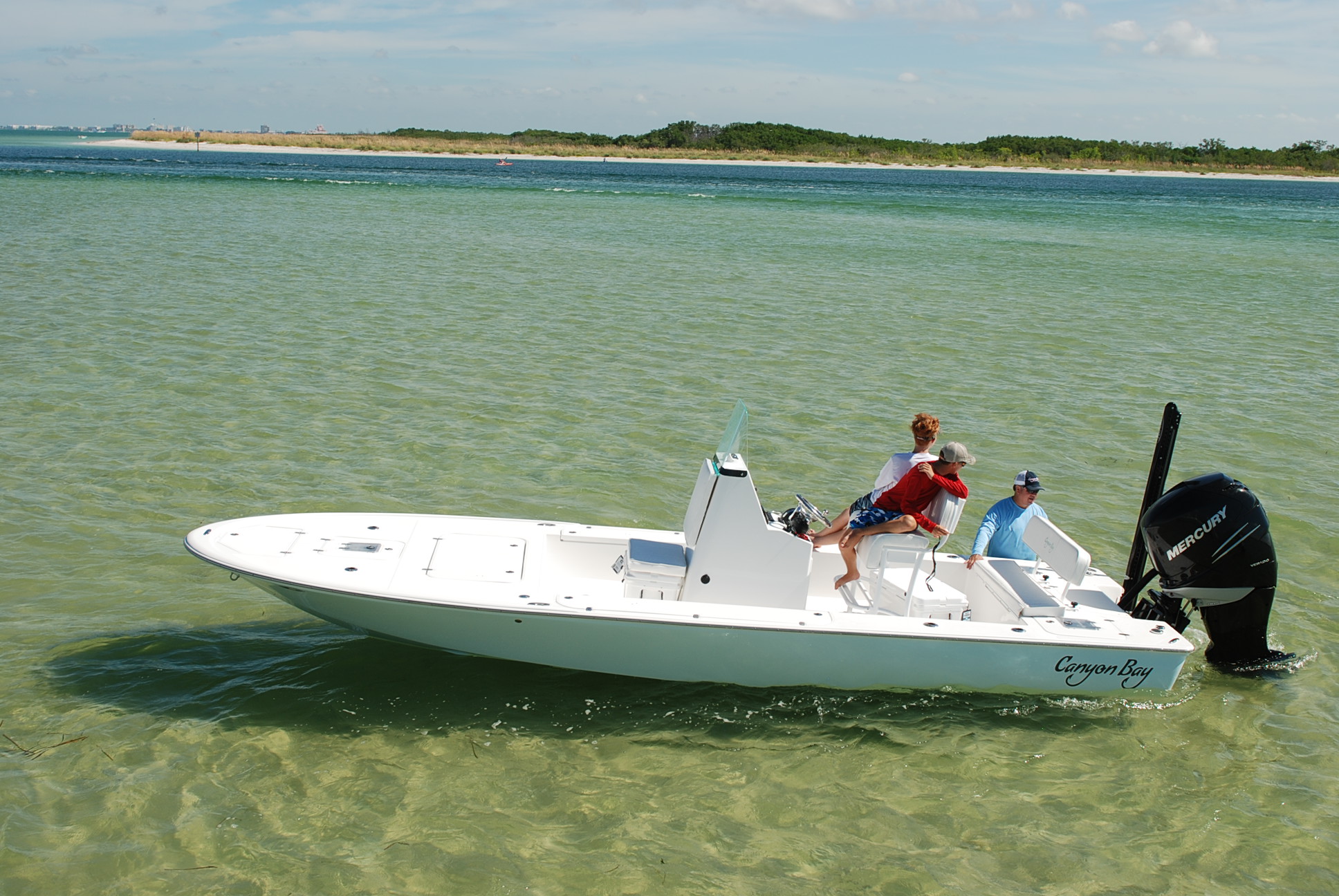
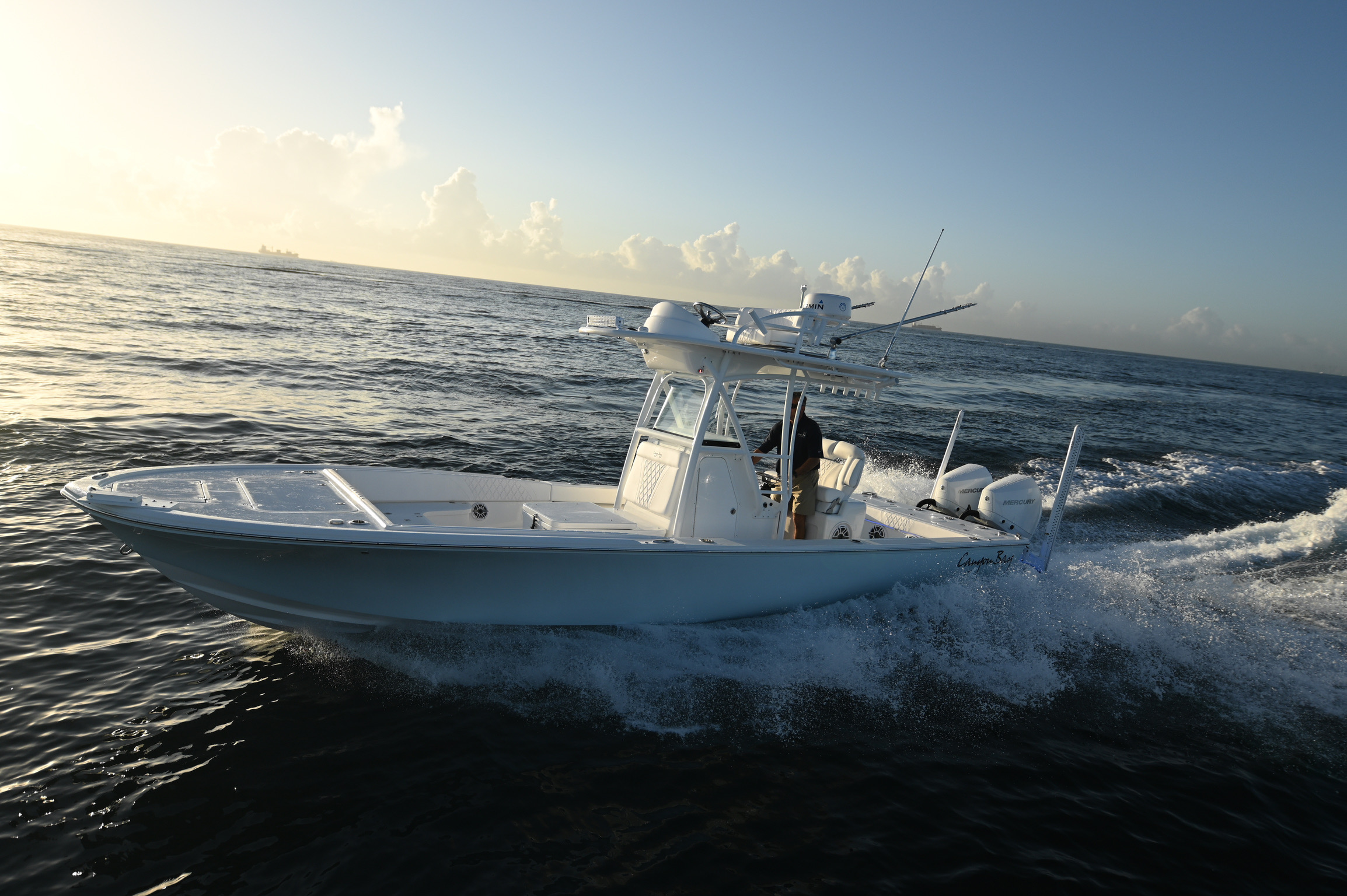
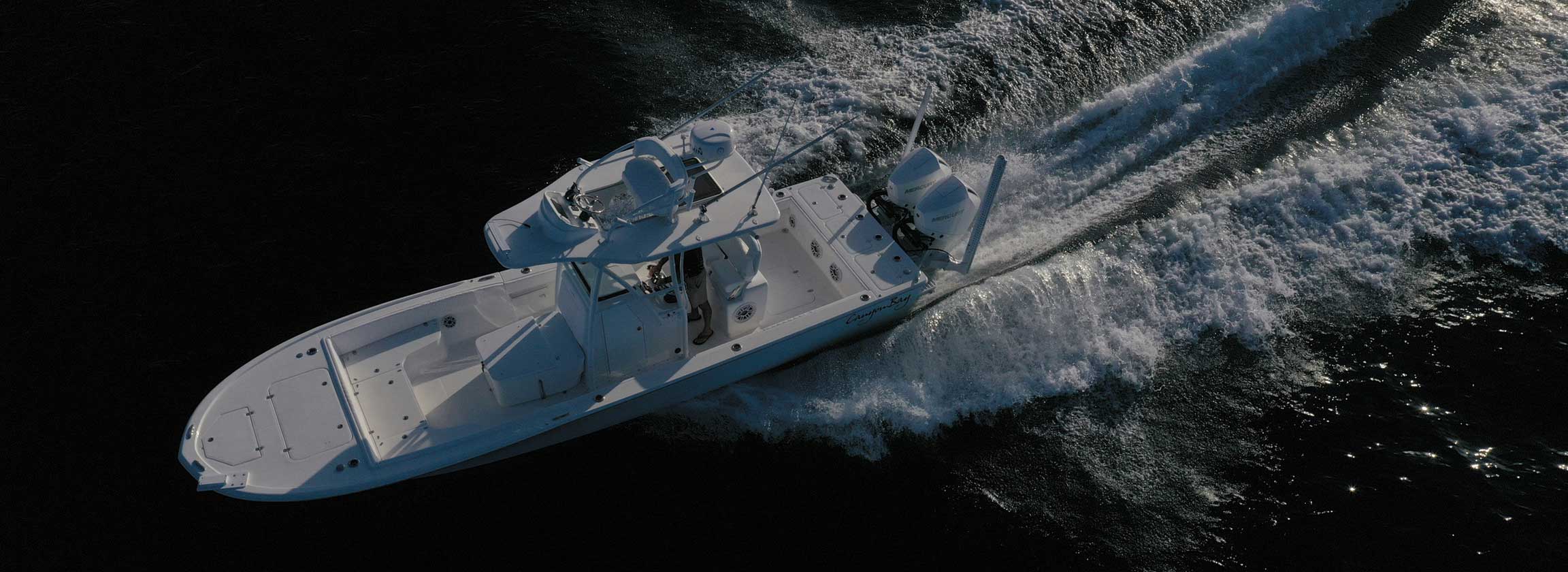
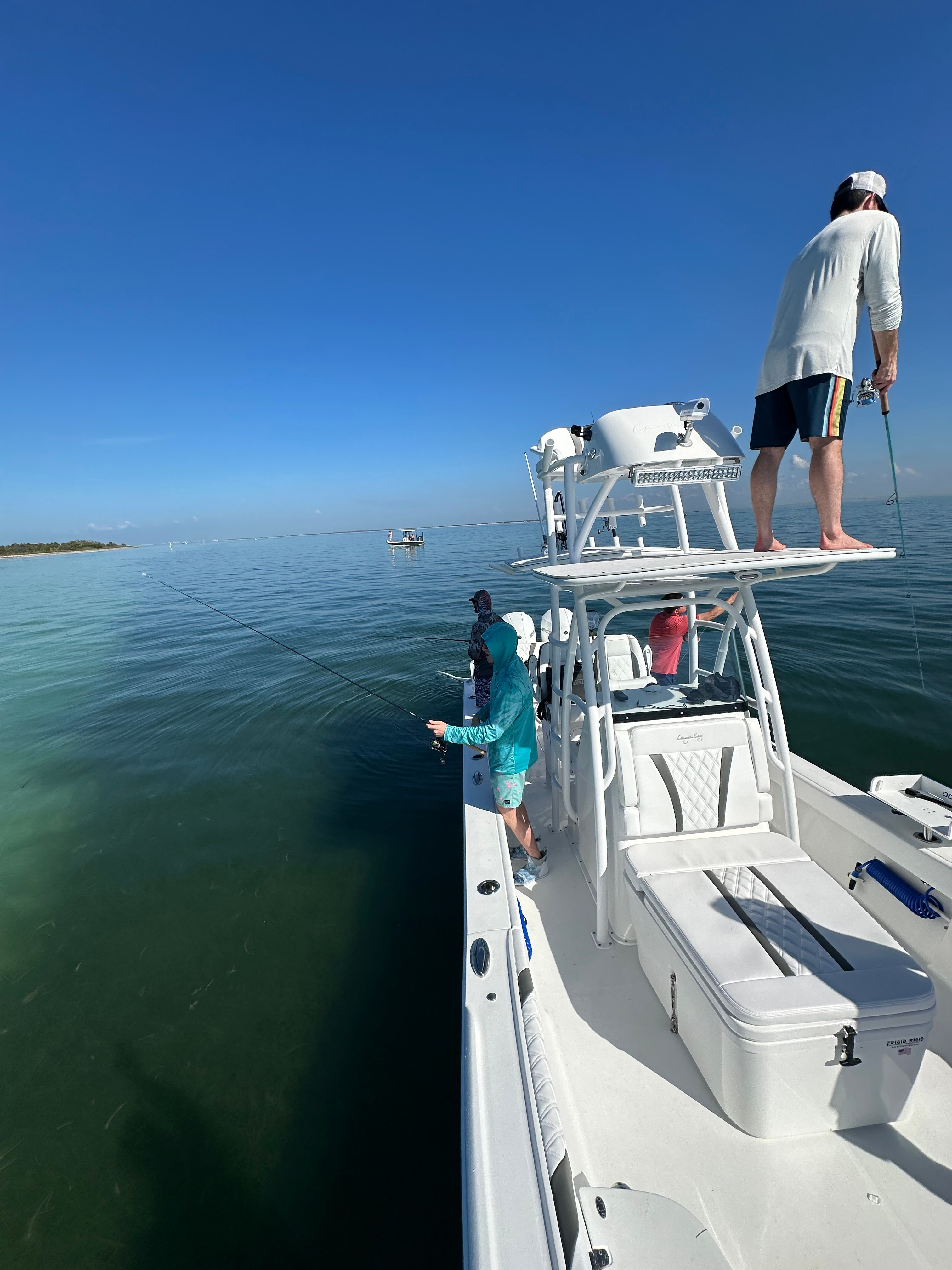
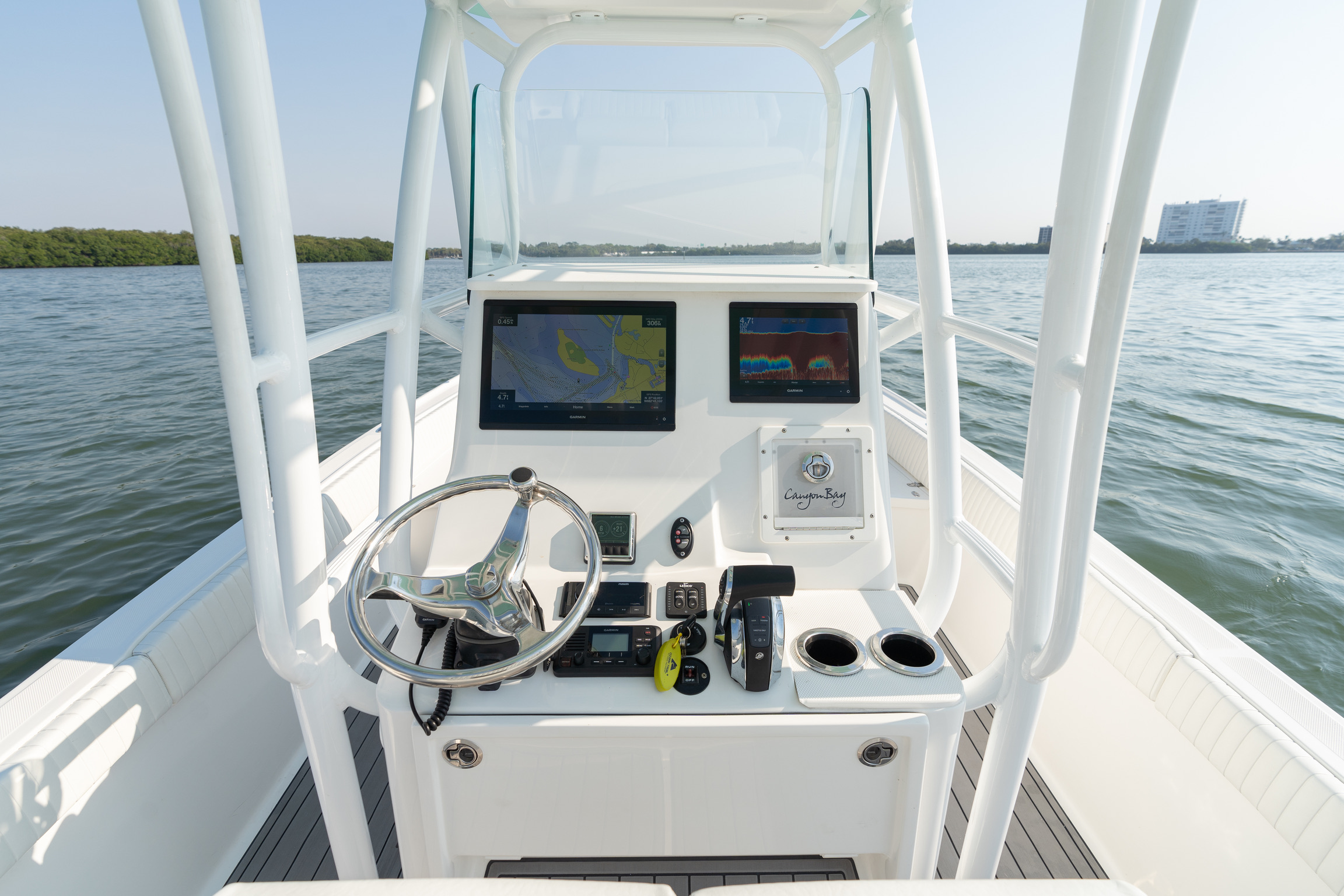
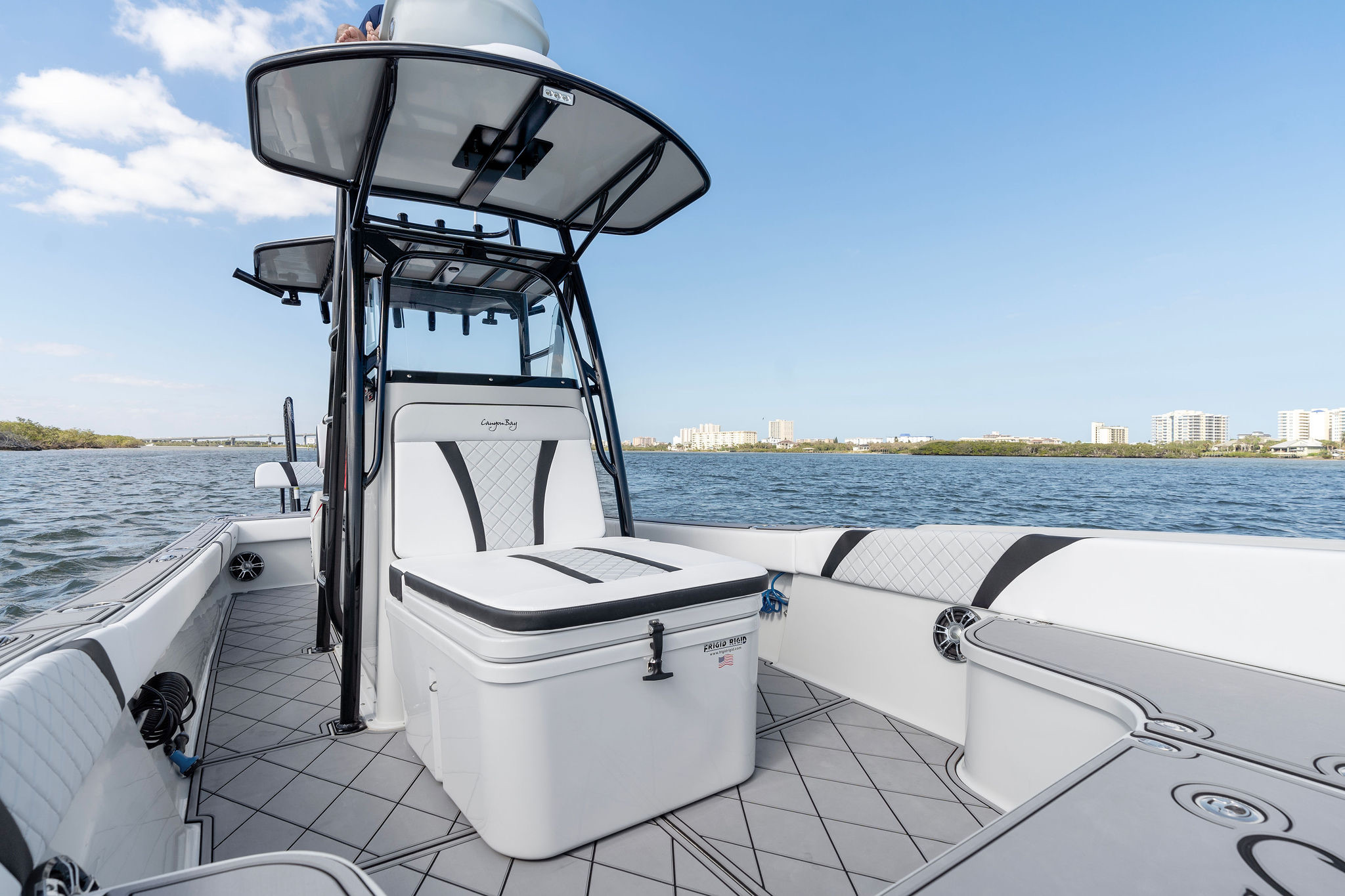
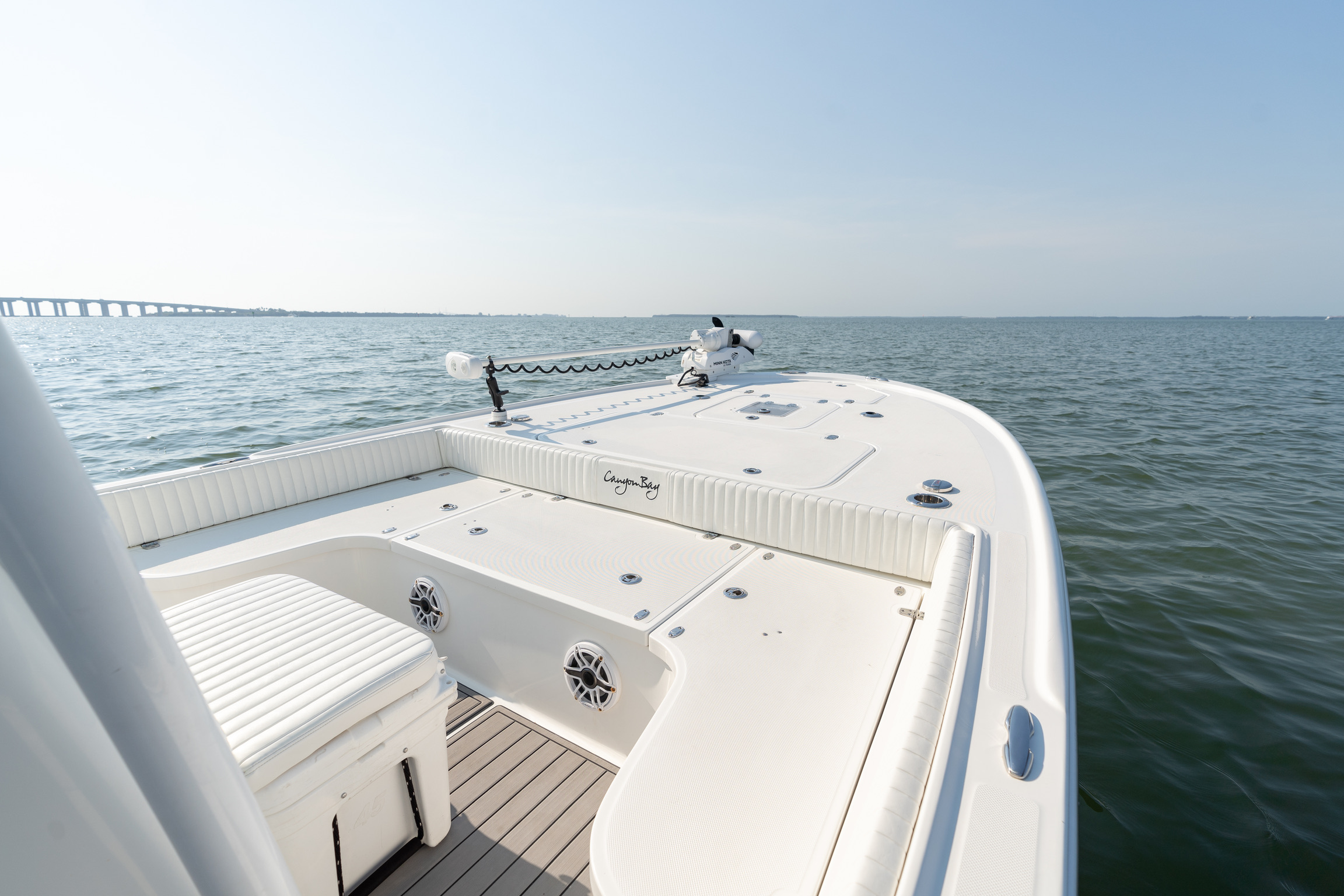
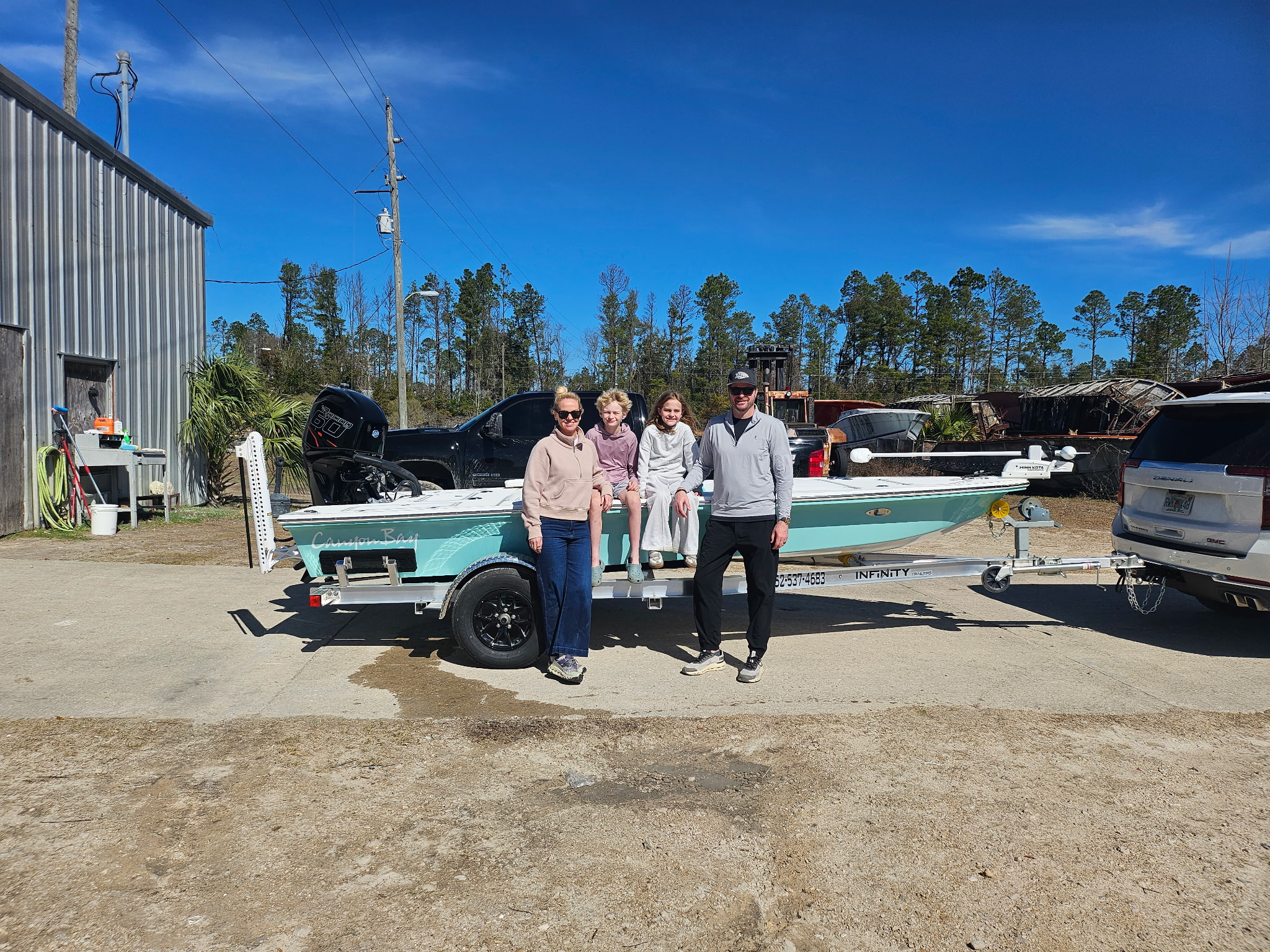
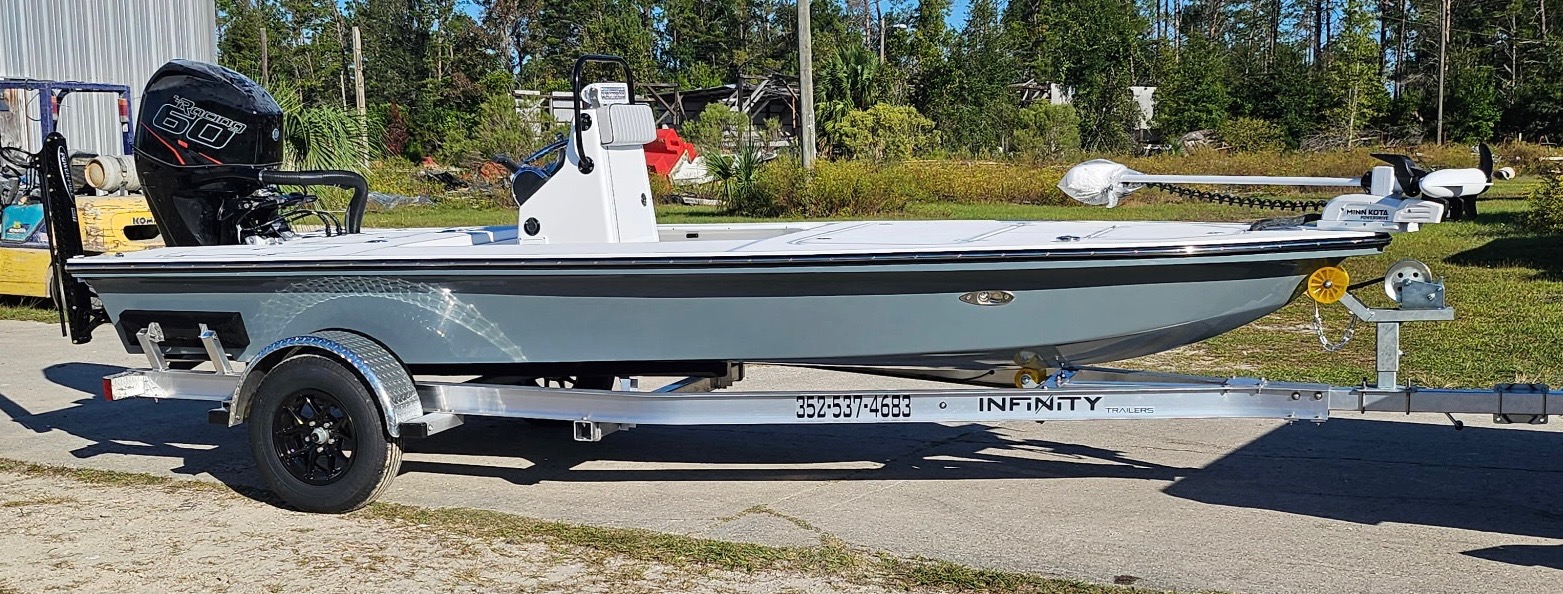
Fiberglass is the proven, affordable baseline. Kevlar is lighter and tougher against abrasion and puncture, but it's weak in compression. Carbon fiber is the stiffest for its weight, but it's brittle and expensive. Good hulls blend them. The Canyon Bay 24B and Canyon Bay 28H put Kevlar below the waterline and carbon fiber in the sides and deck, laid up by hand in vinyl ester resin with zero wood.
| Lightest fiber | Kevlar 49, about 1.44 g/cm³ |
|---|---|
| Stiffest fiber | Carbon, roughly 3x E-glass |
| Kevlar weak spot | Compression and moisture uptake |
| Fiberglass edge | Cost, compression, easy repair |
| Canyon Bay layup | Kevlar hull, carbon sides and deck |
| Resin (all models listed) | Vinyl ester |
What's the actual difference between Kevlar, fiberglass and carbon fiber?
They're three different reinforcing fibers, and each one is good at a different job. Fiberglass (usually E-glass) is heavy, cheap and well rounded. Kevlar is an aramid, a synthetic polymer fiber that's very light and very hard to tear. Carbon fiber is stiff and light, and it's the most expensive of the three.
None of them is a boat on its own. Each fiber gets wet out with resin and laid in layers, and the finished laminate is what carries the load. That's why two hulls that both say "Kevlar" on the brochure can behave very differently.
The numbers below are for the bare fibers, straight from supplier data. A finished laminate is weaker than the fiber because resin fills part of the volume, but the ratios between the fibers hold up.
- E-glass, Kevlar 49 and high-tenacity carbon figures: DuPont Kevlar Technical Guide, Tables II-1 and II-2.
- Upper carbon figures: Toray T700S data sheet.
| Property | E-glass | Kevlar 49 | Carbon (high-tenacity) |
|---|---|---|---|
| Density | 2.55 g/cm³ | 1.44 g/cm³ | 1.80 g/cm³ |
| Tensile strength | 3,450 MPa | 3,000 MPa | 3,100 to 4,900 MPa |
| Tensile modulus (stiffness) | 72 GPa | 112 GPa | 221 to 230 GPa |
| Elongation at break | 4.8% | 2.4% | 1.4 to 2.1% |
| Strength for its weight (relative) | 1.0 | 1.5 | 1.3 |
| Main weakness | Weight | Compression, moisture, UV | Brittle failure, cost |
Is a Kevlar boat stronger than a fiberglass boat?
In tension and for its weight, yes. In compression, no. DuPont's own data puts Kevlar 49 at about half the density of E-glass with roughly 50% more tensile strength per pound and more stiffness. That's where the weight savings come from.
The catch is compression. Aramid is "relatively sensitive to compressive and flexural loads," according to R&G, a German composites supplier that sells it. Cruising World's construction series says aramids don't stand up to compression loads as well as glass fiber. A laminate that bends sees tension on one face and compression on the other, so a hull made only of Kevlar would be a poor design.
Where Kevlar earns its place is toughness. R&G credits it with excellent impact and cut resistance, and says it absorbs and dissipates energy exceptionally well. On a hull bottom, that means a laminate that resists scuffs, gouges and punctures from oyster bars and rock.
Don't buy the myth that Kevlar makes a boat collision proof. It doesn't. A hard enough hit breaks any laminate. What Kevlar changes is how much abuse the bottom takes per pound of weight.
What are the pros and cons of carbon fiber in a boat?
Carbon's big advantage is stiffness. High-tenacity carbon is about three times stiffer than E-glass by DuPont's figures, and Toray lists its T700S fiber at 230 GPa. A stiff deck or hull side flexes less, so the boat feels solid underfoot and the structure can be lighter for the same feel.
The downsides are real. Carbon stretches only 1.4 to 2.1% before it breaks, so it fails suddenly instead of bending. It's also by far the most expensive common reinforcement, a point Cruising World makes plainly. A boat built entirely of carbon would cost a lot and give up the toughness a fishing hull needs at the waterline.
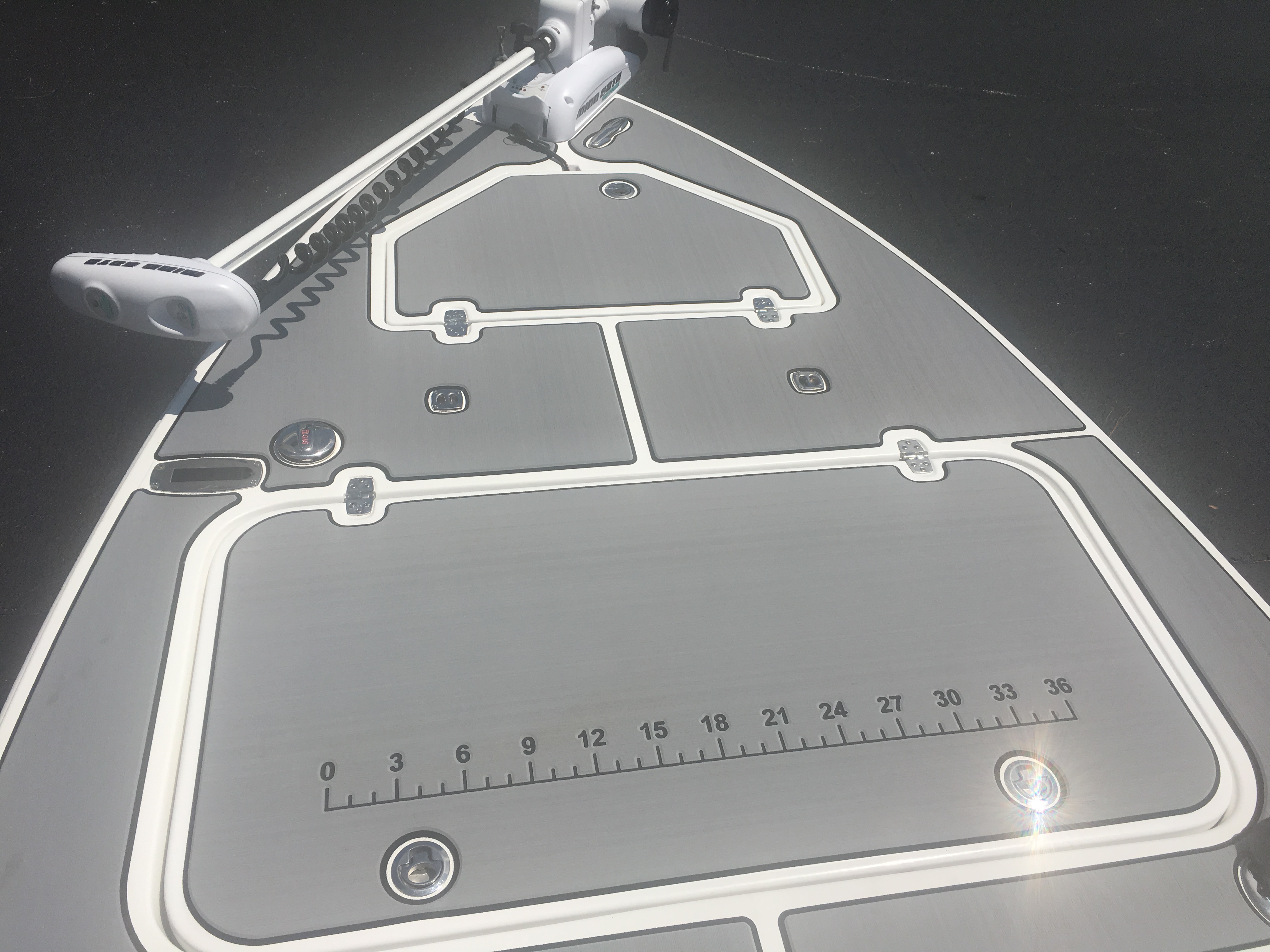
That's why carbon shows up where stiffness matters most and impacts are rare: decks, hull sides, consoles and towers. Canyon Bay puts it in the sides and deck of the Canyon Bay 28H, 24B, 22B and 35N, and in the deck of the 18F.
Does Kevlar absorb water?
Yes, the bare fiber does. DuPont lists Kevlar 49 yarn at 3.5% equilibrium moisture, and R&G says aramid takes on moisture more readily than carbon or glass, so dry fabric should be stored dry and dried before lamination if it's picked up humidity.
This is a fair point, and competitors make it. Hell's Bay Boatworks moved to Carbon Innegra and says Kevlar "absorbs moisture over time due to its hygroscopic nature." To their credit, the same page says Kevlar "is stiffer, tougher against abrasion" than their Carbon Innegra. Both things are true.
What matters on a boat is whether water can reach the fiber. In a properly wet-out laminate, each fiber sits inside cured resin under a gelcoat, so it isn't sitting in open water. Moisture becomes a problem when damage cuts through to dry fibers and nobody fixes it. The practical rule is simple: repair deep gouges in any composite bottom promptly, and Kevlar makes that rule a little more important.
Kevlar is also sensitive to UV light, per the DuPont guide. That's one more reason it belongs inside the laminate under gelcoat, not on an exposed surface.
Why does Canyon Bay put Kevlar below the waterline and carbon above?
Because each fiber goes where its strength matters and its weakness doesn't. The bottom of a Canyon Bay 24B is the part that slides over oyster bars, grounds on sandbars and takes the beating, so it gets the tough, light fiber. The sides and deck need to be stiff and light, so they get carbon.
Every Canyon Bay is listed with a Kevlar hull and carbon fiber above it. The 24B, 28H and 35N spec sheets also list vinyl ester resin, hand-laid bi-axial laminates and fiberglass stringers molded to the hull. The boats are built at Perry Composite Manufacturing in Perry, Florida.
The payoff shows up on the scale. Here's how the published dry weights line up across the lineup.
| Model | Length | Hull and deck | Dry weight | Draft |
|---|---|---|---|---|
| Canyon Bay 18F | 17 ft 3 in | Kevlar hull, carbon deck | 900 lb | 8 in |
| Canyon Bay 22B | 21 ft 8 in | Kevlar hull, carbon sides and deck | 2,000 lb | 12 in |
| Canyon Bay 24B | 23 ft 8 in | Kevlar hull, carbon sides and deck | 2,500 lb | 13 in |
| Canyon Bay 28H | 28 ft | Kevlar hull, carbon sides and deck | 3,500 lb | 15 in |
| Canyon Bay 35N | 35 ft | Kevlar hull, carbon sides and deck | Not published | 22 in |
Does the resin and build method matter as much as the fiber?
Yes, and sometimes more. The resin holds the fibers together and keeps water out. Polyester is the cheapest and most common boatbuilding resin. Vinyl ester costs more, and resin makers sell it for its resistance to osmotic blistering. Epoxy usually costs the most of the three.
Resin makers sell vinyl ester specifically for its water resistance. Scott Bader, a major resin supplier, markets its marine vinyl ester skin coat on "excellent blister resistance." Every Canyon Bay model with a full spec sheet lists vinyl ester resin.
Build method matters too. Hand lay-up means laminators place each layer and work the resin in by hand. Vacuum infusion pulls resin through dry fabric under a bag. Infusion can control the resin-to-fiber ratio more tightly, and good hand lay-up depends on skilled crews. Both make excellent boats when done well, and both make poor ones when done badly. Canyon Bay lists hand-laid bi-axial laminates.
Is Kevlar worth it on a bay boat?
It's worth it if you fish shallow, hard-bottom water or care about weight. A lighter hull planes sooner, floats shallower and is easier to pole and trailer. A tougher bottom shrugs off more of the oyster and rock contact that comes with running skinny water. The Canyon Bay 24B's 2,500 lb dry weight and 13-inch draft are the result of that trade.
It's less important if you fish open, deep water and rarely touch bottom. There, a well-built fiberglass hull does the job and costs less to repair. Glass is easier for any yard to fix, while aramid is harder to cut, sand and finish. Ask how a builder handles bottom repairs before you buy any Kevlar boat.
It's not a cure-all either. Kevlar doesn't fix a bad hull design, a sloppy laminate or poor water sealing around hardware. Fiber choice is one decision out of dozens.
How do you check what a boat hull is really made of?
Ask for specifics, not adjectives. "Kevlar reinforced" can mean a full Kevlar bottom or a single patch at the keel. These questions sort it out quickly.
- Where exactly is each fiber: bottom, sides, deck, stringers?
- What resin is used throughout, and is it the same in the skin coat and the structural laminate?
- Is it hand-laid, infused or a mix?
- What's the dry weight of the bare hull, and how was it measured?
- Is there any wood anywhere, including transom, stringers and deck cores?
- How are bottom gouges repaired, and who does it?
Common questions
Is a Kevlar hull stronger than fiberglass?
It's stronger in tension for its weight but weaker in compression. Kevlar 49 is about half the density of E-glass with more tensile strength per pound, per DuPont data. It's also tougher against abrasion and puncture, which is why builders use it on hull bottoms and pair it with other fibers.
Why use Kevlar in a boat hull?
Builders use it to save weight and toughen the bottom. A lighter hull drafts less and planes sooner, and Kevlar's energy absorption helps the bottom resist gouges and punctures. The Canyon Bay 24B uses a Kevlar hull to reach 2,500 lb dry with a 13-inch draft.
What are the downsides of a carbon fiber boat?
Cost and brittle failure are the main ones. Carbon is the most expensive common reinforcement and stretches only about 1.4 to 2.1% before breaking. That's why most builders use it for stiffness in decks and hull sides rather than as the only fiber in a fishing hull.
Does Kevlar absorb water in a boat?
The bare fiber absorbs some moisture, about 3.5% at equilibrium per DuPont. Inside a cured laminate under gelcoat, the fibers are sealed by resin. The risk comes when damage exposes fibers, so deep gouges in a Kevlar bottom should be repaired promptly.
Are Canyon Bay boats Kevlar or fiberglass?
Both, plus carbon. Canyon Bay lists a Kevlar hull with carbon fiber sides and deck on every model, and the 24B, 28H and 35N spec sheets add vinyl ester resin, hand-laid bi-axial laminates and fiberglass stringers molded to the hull.
Sources
- DuPont Kevlar Aramid Fiber Technical Guide (Tables II-1, II-2; moisture and UV sections)
- Toray T700S carbon fiber data sheet
- R&G Faserverbundwerkstoffe: Aramid fabric properties
- Cruising World: Composite Construction, Decoding the Matrix
- Hell’s Bay Boatworks: Just what is Carbon Innegra
- Scott Bader: Crystic VE 679PA marine vinyl ester skin coat